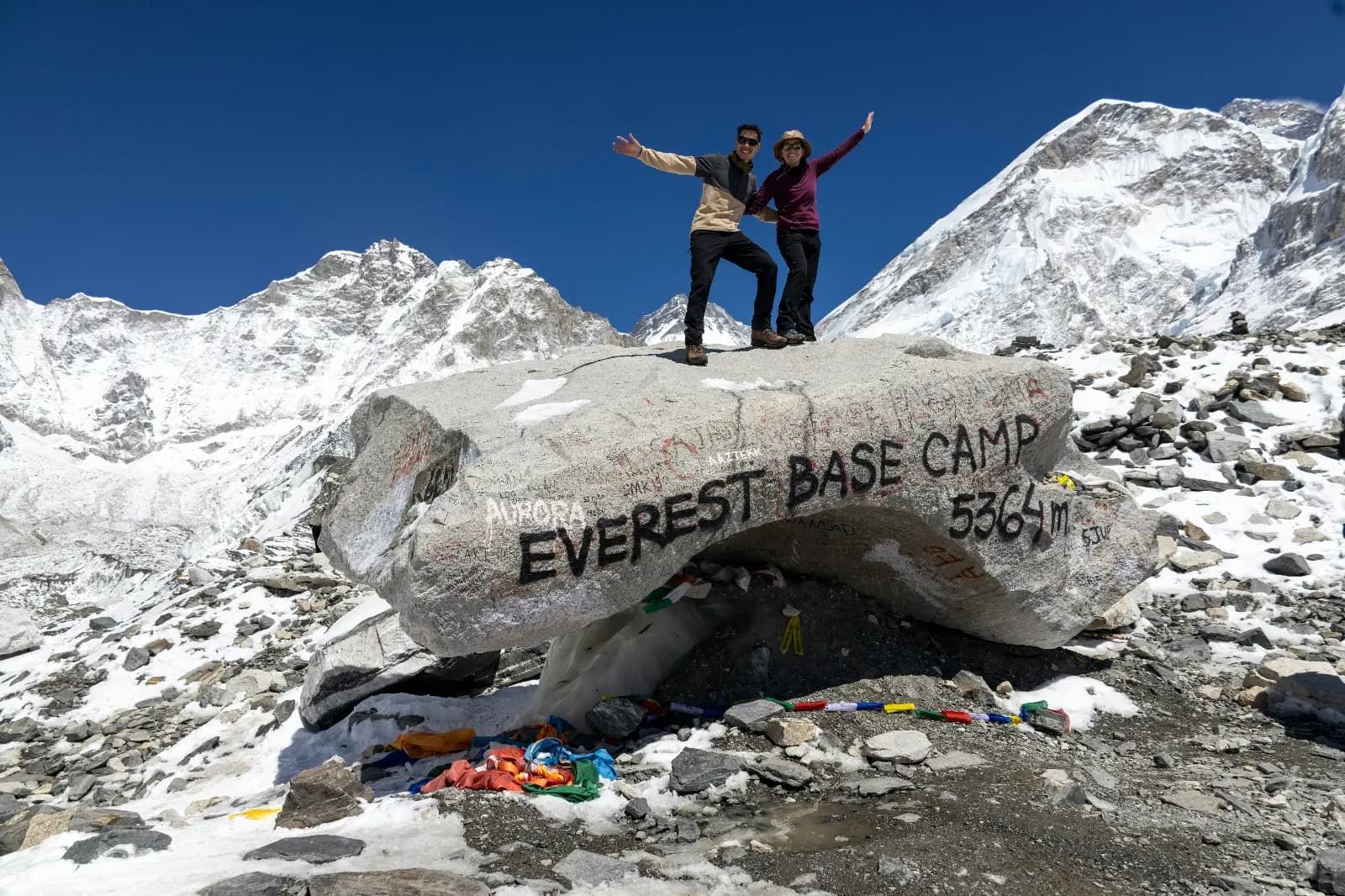
Everest Base Camp
Nepal
1 Group Tours·1 Operators·from ₹72,000
Everest Base Camp is the starting point for climbers attempting Mount Everest and a popular trekking destination in Nepal's Khumbu region.
Updated today
Photos
Top Operators

Upcoming trips (1)
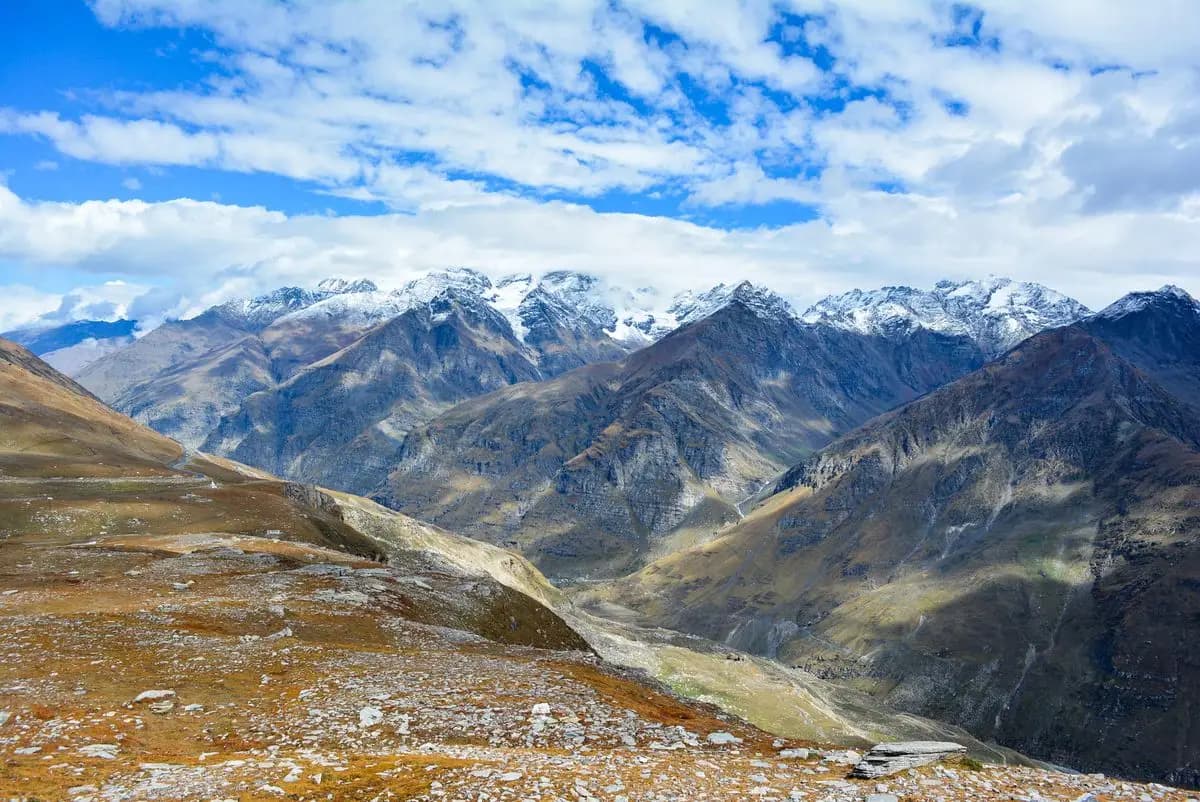
Explore Nearby
If you like Everest Base Camp, you might also enjoy these destinations.
Trips by Departure City
Find Everest Base Camp trips departing from your city.
Plan Your Trip
How to Reach
Fly from Kathmandu to Lukla (35 minutes) – scenic but weather-dependent. Alternatively, take a bus to Salleri (8-10 hours) and trek 3 days to Lukla. From Lukla, the trek is 12-14 days to EBC and back. Indian travelers need a valid passport and Nepal visa (available on arrival). Direct flights from Delhi/Kolkata to Kathmandu are available.
FAQs
How difficult is the Everest Base Camp trek?
It's moderately difficult – you'll trek 5-7 hours daily for 12-14 days, reaching 5,545m. You need good fitness and some prior trekking experience. Altitude is the biggest challenge, but with proper acclimatization it's achievable.
Do I need a guide or can I do it solo?
You can do it solo, but a guide is highly recommended for safety, navigation, and cultural insights. Also, Nepal requires a licensed guide for certain areas, but for EBC it's not mandatory. Group tours are popular for the camaraderie and support.
What is the best time to do the Everest Base Camp trek?
The best times are pre-monsoon (March-May) and post-monsoon (October-November). These offer the clearest skies and stable weather. December-February is cold but doable, while June-September is monsoon with poor views.
How much does the Everest Base Camp trek cost?
For Indians, a budget trek can cost ₹50,000-₹70,000 including flights, permits, and teahouses. Mid-range with a guide and better stays is ₹80,000-₹1,00,000. Luxury with helicopter returns can go above ₹1.5 lakh.
Can I do the Everest Base Camp trek without prior trekking experience?
Yes, but it's risky. You need a decent fitness level and mental toughness. It's better to do a few practice treks in the Himalayas or Western Ghats to get used to long walks and altitude.
How do I avoid altitude sickness?
Ascend slowly, stay hydrated, avoid alcohol, and take proper acclimatization days. Your body needs time to adapt. If you get severe symptoms like confusion or breathlessness, descend immediately.
What should I pack for the Everest Base Camp trek?
Essentials include layered clothing (base layer, fleece, down jacket), a good sleeping bag rated to -15°C, trekking poles, water purification tablets, sun protection, and a first-aid kit. Also, a down jacket is a must for cold nights.
Is there mobile connectivity and internet on the trek?
You'll get patchy mobile signals in villages. Many teahouses offer Wi-Fi for a fee (around ₹500 per device). Ncell and Everest Link are common. But don't rely on it – enjoy the disconnect.
What kind of food is available on the trek?
Teahouses serve Nepali and international dishes. The staple is dal bhat (lentil soup with rice) – it's filling and gives you energy. You'll also find noodles, momos, and even pizza. Vegetarian options are plentiful.
Do I need travel insurance for the Everest Base Camp trek?
Absolutely. Your insurance must cover high-altitude trekking (up to 5,500m) and emergency evacuation, including helicopter rescue. This is non-negotiable.
Destination data helps you shortlist trips quickly. Refreshed periodically.